Marine Solutions
 Powerboat School
 Boat Charters
 School of Sailing

Our Courses
Showing 31–55 of 55 results
-

Safeguarding – Children
OnlineThis one-on-one, tutor-led, interactive e-learning course is aimed at anyone who has a duty of care for children, or comes into contact with children in any type of working role, including as a paid professional or as a volunteer.View course -
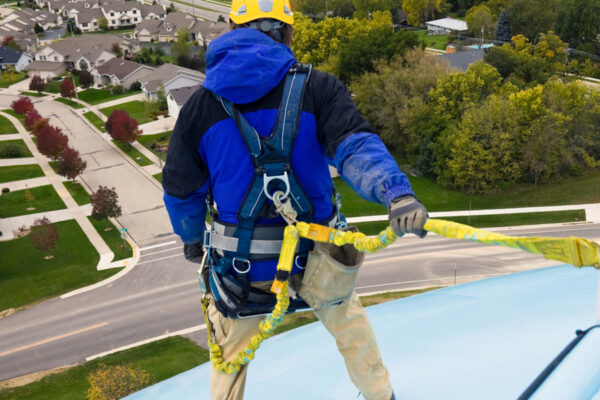
Working at Height
OnlineThis one-on-one, tutor-led, interactive e-learning course is aimed at anyone who undertakes work at height, or who employs people who regularly work at height. You’ll learn about what constitutes work at height, the safety issues, and how to assess and reduce some of the risks.View course -
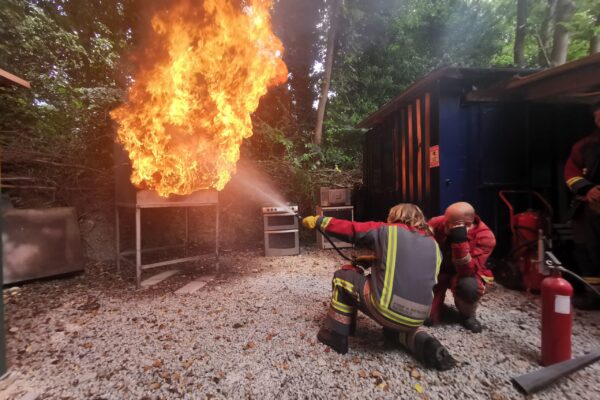
STCW Basic Safety Training Course (BSTC)
5 daysClassroomView course -
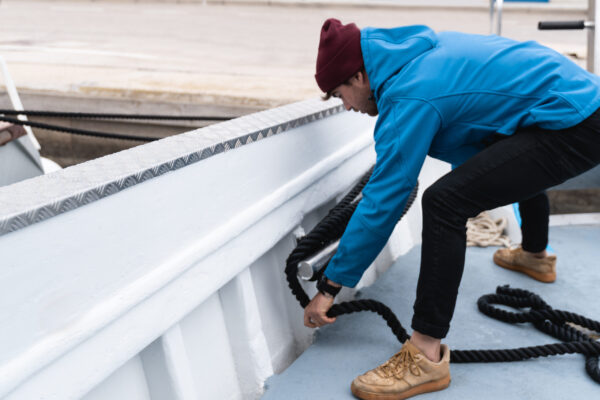
STCW Personal Safety and Social Responsibilities (PSSR)
4 hoursClassroomThe STCW Personal Safety and Social Responsibility course (PSSR) forms part of the STCW Basic Safety Training Course and is mandatory for anyone wishing to work on a commerical vessel over 24 metres. Completely classroom-based, students can expect basic induction training in safety procedures and accident prevention as well as familiarisation with both the employment conditions and working environment at sea. Students will be assessed through direct observation, written and oral questioning as well as simulated scenarios before a short exam at the end of the course.View course -
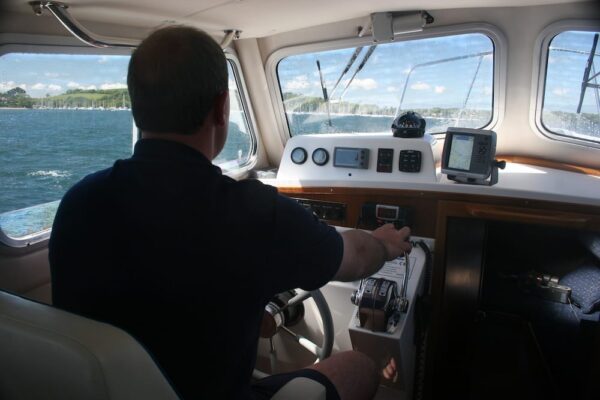
STCW Proficiency in Security Awareness (PSA)
4 hoursClassroomThe STCW Proficiency in Security Awareness course (PSA) is mandatory for anyone wishing to work on board a vessel without any designated security duties. The course itself forms part of the STCW Basic Safety Training and has been designed to provide basic security awareness, including the importance of ship security and recognising potential threats.View course -
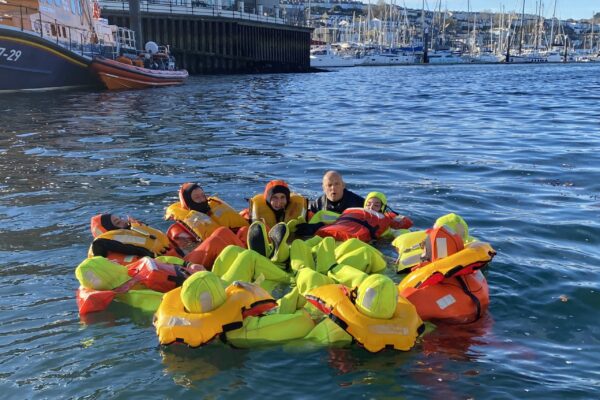
STCW Personal Survival Techniques (PST)
1 dayClassroom & PracticalThe STCW Personal Survival Techniques course (PST) equips students with the techniques needed to protect themselves, and survive during emergency situations at sea and is mandatory for anyone wishing to work on a commercial vessel over 24 metres. Covering everything from potential causes of distress through to how to safely abandon ship, this PST course is a combination of classroom based and practical training. Students will need to be water-confident as they will spend their practical session in the water, learning how to correctly wear life-jackets, safely abandon ship, use a survival suit and inflatable raft, all in a realistic marine environment.View course -
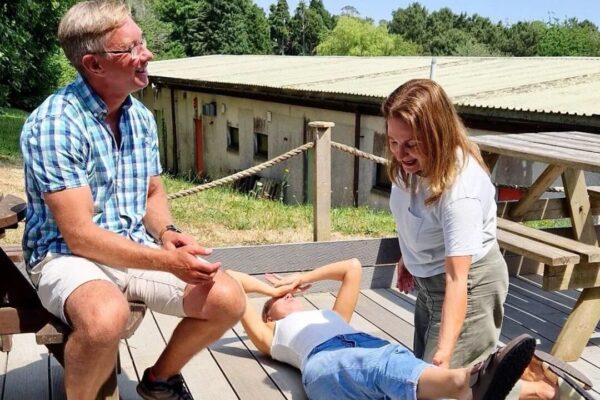
STCW Elementary First Aid (EFA)
1 dayClassroomPart of the minimum basic safety training for seafarers, the STCW Elementary First Aid course (EFA) teaches students how to correctly and safely respond to medical emergencies and accidents on board a vessel. Run over one-day, the course teaches a range of basic first aid and life-saving skills in both theoretical and practical hands-on sessions. With assessments carried out during the day, this course meets the minimum requirement for familiarisation and basic safety training for seafarers who, on completion, will receive a certifcation which is valid for 5 years.View course -
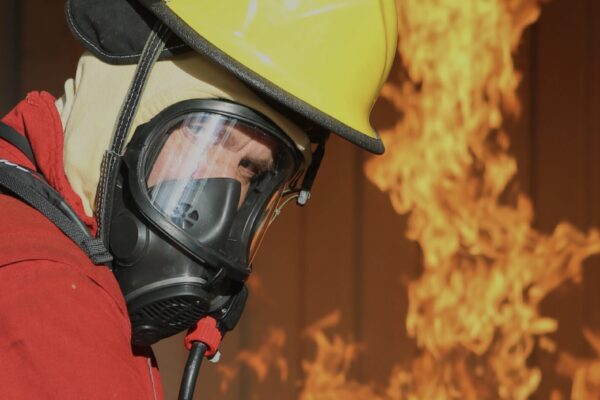
STCW Fire Prevention and Fire Fighting (FPFF)
2 daysPracticalThe STCW Fire Prevention and Fire Fighting course (FPFF) is mandatory for any seafarers who will be given safety duties, it also forms part of the STCW Basic Safety Training course which is compulsory for anyone wanting to work on a commercial vessel over 24 metres. Run over 2 days, this FPFF course outlines how to minimise the risk of fire, the causes of fires and how to correctly extinguish them. Combining theoretical and practical training, students will use fire fighting equipment and breathing apparatus in our state-of-the-art, purpose-built fire fighting training facility. This unique setting enables students to face realistic scenarios during their training, practising the extinguishing of various types and sizes of fires.View course -
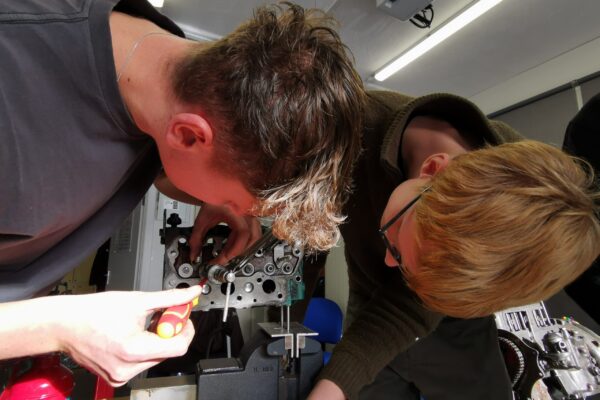
Approved Engine Course Part 1 (AEC1)
5 daysPracticalThe MCA Approved Engine Course (AEC1) Part One is the first step on the MCA engineering progression pathway. Designed to develop your basic understanding from the RYA Diesel Engine Maintenance course, it provides students with the practical basic hands on training and theoretical knowledge of diesel engines, enabling you to carry out regular maintenance work and safety checks. With a focus on skill enhancement, it is also invaluable for those considering becoming a skipper on smaller yachts.View course -
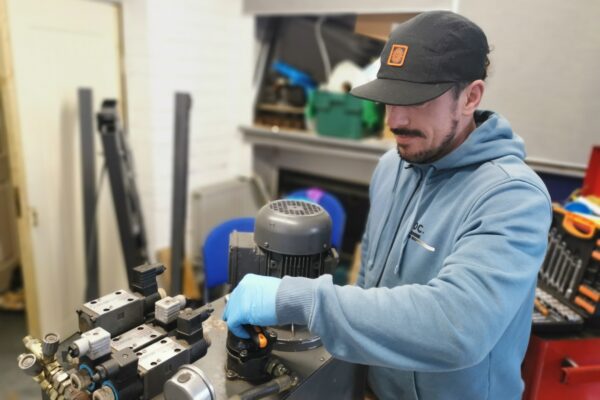
Approved Engine Course Part 2 (AEC 2)
5 daysPracticalThe Approved Engine Course Part 2 (AEC 2) is an enhanced continuation of the Approved engine Course Part 1 (AEC 1), building on the knowledge gained. Forming part of the new second engineer officer qualification for small vessels (less than 9,000kW/3,000GT), this course will further develop your understanding and skills through a mix of theory and hands-on practical training. Fully approved by the MCA, this 5-day course is perfect for the owners or operators of small inshore or pleasure vessels.View course -
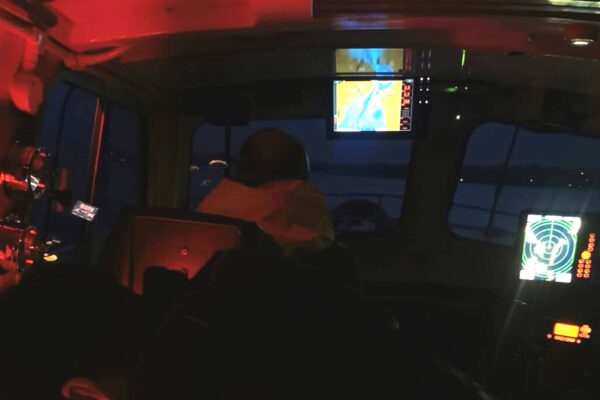
MCA Small Ships Navigation and Radar
5 daysClassroomThis five day MCA Small Ships Navigation and Radar course is split into two parts and teaches students how to keep a safe navigational watch as well as how to competently use radar, automatic plotting aids, electronic charts and other electronic aids to safely navigate small vessels.View course -
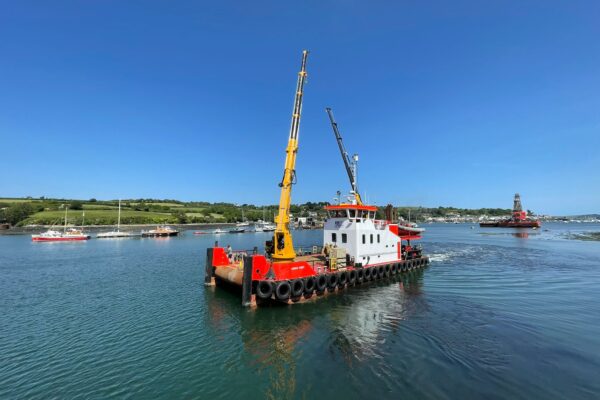
MCA Small Workboat Stability
1 dayPracticalThe MCA Stability for Workboats, Pilot Boats and Small Commercial Vessels course was introduced to meet the requirements in the Workboat Code Edition 3 for crew to attend an approved stability course and, as such, it complies with Appendix 3, 2.14 Stability Training of the code.View course -
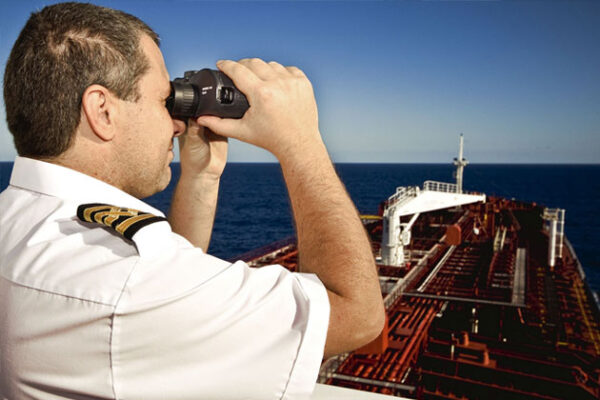
STCW Proficiency in Designated Security Duties (PDSD)
8 hoursClassroomFor seafarers who are given designated security duties on board a ship, this STCW Proficiency in Designated Security Duties course (PDSD) will teach the essential knowledge, practices, and regulation required for compliance with the International Ship and Port Facility Security (ISPS) Code. Covering topics such as ship security, threats and procedures, this course is essential for those tasked with gangway watches, stowaway searches and baggage searches as well as maritime piracy.View course -
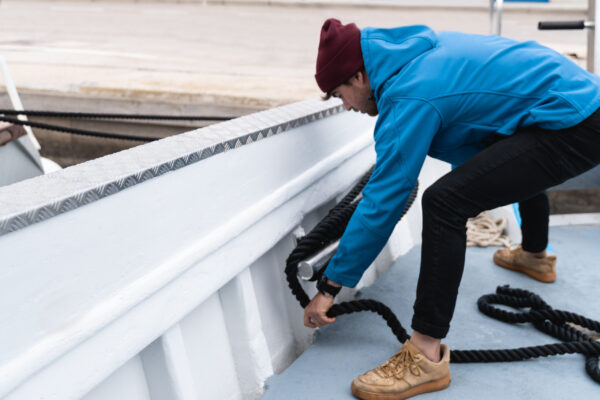
STCW Efficient Deck Hand (EDH)
5 daysPracticalThe STCW Efficient Deck Hand course (EDH) is an entry-level course aimed at seafarers working towards a qualification such as an Able Seafarer or Officer of the Watch (Deck). Run over 5 days, the course is delivered both practically and theoretically, covering aspects of being an efficient deck hand as well as supervising deck operations. Student will learn everything from navigation at support level (helmsmen duties) to contributing to berthing, anchoring and mooring operations, all in accordance with MCA requirements.View course -
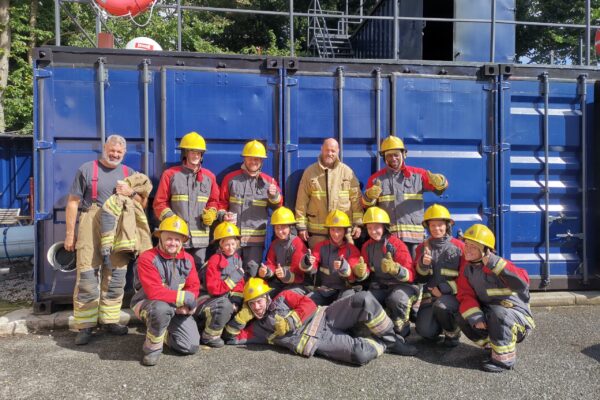
STCW Advanced Fire Fighting (AFF)
4 daysPracticalThe STCW Advanced Fire Fighting course (AFF) forms part of the required training for deck and engineering officers who are wishing to qualify for a Certificate of Competency, or for crew who are given fire fighting operation tasks, providing in-depth training for those seeking to develop their career at sea. Covering a range of fire fighting procedures at sea and in port, the course places emphasis on organisation, tactics and effective command, which includes effective liaising with shore-based fire fighters. Students will also be taught topics such as ventilation control, hazards involving dangerous goods and the effects of fire fighting water on ship stability. Thanks to our unique state-of-the-art fire fighting training facility, our students are able to undertake a variety of practical exercises involving fighting fires of different types and intensity, competently tackling these events in a realistic yet controlled environment.View course -
STCW Update – Personal Survival Techniques (U-PST)
1 dayClassroom & PracticalSeafarers must complete the STCW Update Personal Survival Techniques course (U-PST) every five years to maintain proficiency under the STCW 2010 Manila Amendments (STCW Section A-VI/1 & table A-VI/1-1). For any seafarers revalidating their UK Certificate of Competency after January 1, 2017, documentary evidence of completing a U-PST within the last five years must be provided.View course -
STCW Update – Fire Prevention and Fire Fighting (U-FPFF)
1 dayPracticalUnder the STCW 2010 Manila Amendments (STCW Section A-VI/1 & table A-VI/1-2), seafarers are required to complete the STCW Update Fire Prevention and Fire Fighting course (U-FPFF) every five years to maintain proficiency.View course -
STCW Update – Basic Safety Training Course (U-BSTC)
3 daysClassroom & PracticalView course -
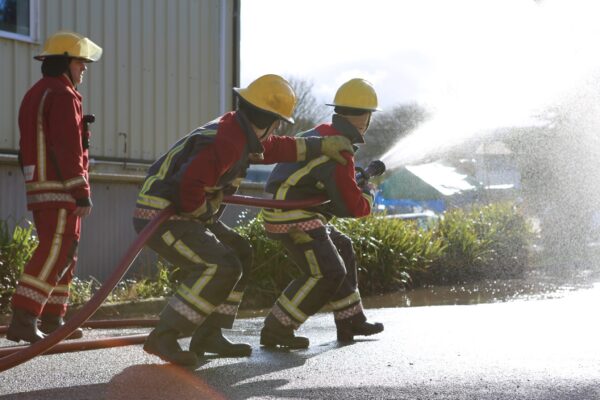
STCW Update – Advanced Fire Fighting (U-AFF)
1 dayPracticalSeafarers who hold an existing Advanced Fire Fighting (AFF) certificate are required to complete this update training course every 5 years to maintain proficiency under the STCW 2010 Manila Amendments (STCW Section A-VI/1 & table A-VI/1-2).View course -
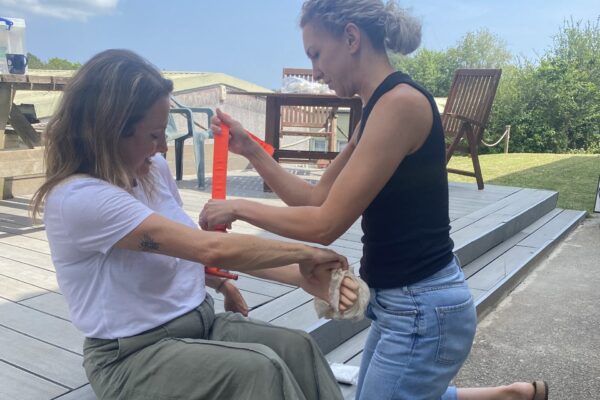
STCW Update – Elementary First Aid (U-EFA)
1 dayClassroom & PracticalUnder the STCW 2010 Manila Amendments (STCW Section A-VI/1-3), any seafarers who hold an existing Elementary First Aid (EFA) certificate are required to complete this one-day refresher training course to maintain their proficiency.View course -
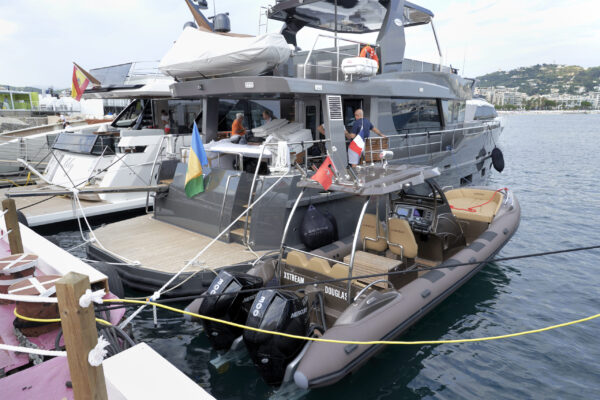
P-SY Crew Development Training (option 1)
8 daysClassroom, Online & PracticalView course -
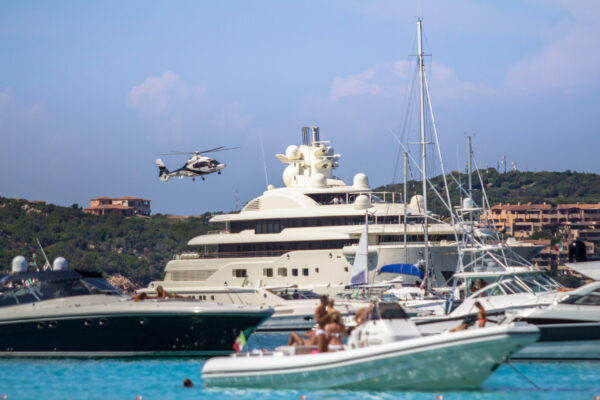
P-SY Crew Development Training (option 2)
9 daysClassroom, Online & PracticalView course -

P-SY Crew Development Training (option 3)
15 daysClassroom, Online & PracticalView course -
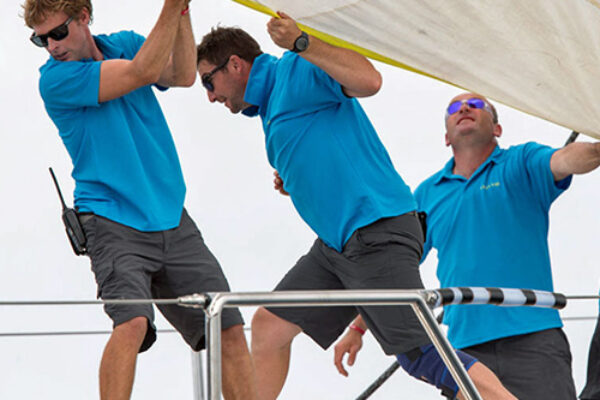
P-SY Crew Development Training (option 4)
32 daysClassroom, Online & PracticalThis course includes 13 components:plus 8 more...View course -
MCA Master 200 & 500 Prep for Oral Exam
5 daysThe MCA Master 200 course allows successful students to skipper any vessel less than 200gt, including work boat and wind farm support vessels, of a distance up to 150NM from a 'safe haven'. The MCA Master 500 follows on from the MCA Master 200, it is more in depth and allows successful students to skipper vessels up to 500gt.View courseThis course is a progression from the RYA Yachtmaster Offshore/Ocean qualification, candidates must have acceptance of a Notice of Eligibility (NOE) before applying for the exam.